
The historical journey of gambling An exploration of its evolution through centuries
The Origins of Gambling
The history of gambling dates back to ancient civilizations, with evidence suggesting that it existed over 5,000 years ago in Mesopotamia. Archaeologists have discovered ancient artifacts such as dice made from knucklebones and other materials that indicate various games of chance were popular. Gambling was not only seen as a form of entertainment but also as a means to determine fate, with many societies believing that the outcomes were influenced by the divine. This connection between gambling and spirituality laid the groundwork for its acceptance in various cultures, much like how today many players explore sites like grandmondialcasino-nz.org.

In ancient China, gambling was formalized with the creation of games such as Keno, which is believed to have originated around 200 B.C. This early form of gambling was tied to the military, helping to fund the construction of defenses and other state projects. Similarly, the Romans embraced gambling, evident in their use of dice and betting during gladiatorial games. The pervasive nature of gambling in these societies illustrates its significance beyond mere entertainment; it was intertwined with cultural practices, rituals, and social interactions.
The emergence of gambling laws in ancient Rome during the reign of Emperor Augustus demonstrated the growing complexity of gambling activities. Regulations were established to curb excessive betting and protect the populace from financial ruin. This legal framework marked the beginning of a long journey toward the institutionalization of gambling, a process that would evolve alongside societies throughout history, eventually leading to the modern gambling landscape.
The Medieval and Renaissance Periods
During the medieval era, gambling continued to flourish, particularly within the courts of Europe. Games such as card games became immensely popular, with the first references to playing cards appearing in the late 14th century. The nobility engaged in high-stakes gambling, often using cards, dice, and other gaming implements. This period saw the introduction of gambling houses, where individuals could gather to play games of chance, further institutionalizing the practice.
The Renaissance brought about significant changes, as gambling became more accessible to the general populace. The invention of the printing press facilitated the production of gambling literature, including rules and strategies, which contributed to a burgeoning interest in gambling across Europe. Lotteries emerged as a popular form of gambling, often organized by governments to raise funds for public projects, such as infrastructure and education. This marked a pivotal transition, as gambling began to be viewed not only as a pastime but also as a source of revenue.
As the Renaissance progressed, the development of modern gambling games gained traction. The introduction of roulette in France during the 18th century marked a significant turning point, providing a new level of excitement to the gambling scene. The acceptance of gambling among the masses continued to grow, leading to the establishment of formal gaming establishments, such as casinos. These venues became social hubs, blending entertainment with the thrill of chance, and laying the foundation for the gambling industry we know today.
The Rise of Modern Gambling
The 19th century marked a significant evolution in gambling, especially with the advent of the Industrial Revolution. Urbanization led to the rapid growth of cities, resulting in the establishment of more organized gambling establishments, including casinos and betting shops. The first official casino, the Casino di Venezia, opened in Italy in 1638, but by the 19th century, similar venues were flourishing across Europe and America. This increased accessibility to gambling drew in a diverse crowd, transforming it into a social activity.
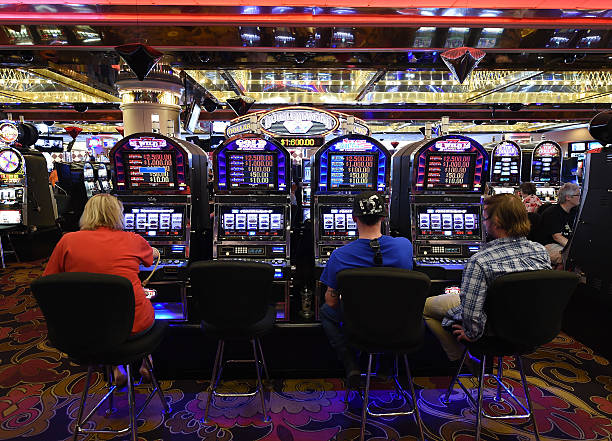
The introduction of slot machines in the late 19th century revolutionized the gambling scene once again. These mechanical devices, which allowed players to win through pure chance, became immensely popular in bars and saloons. The simplicity of slot machines appealed to many, contributing to the exponential growth of gambling in the United States. The incorporation of technology into gambling brought about new dynamics, changing how players interacted with games and each other.
Moreover, the establishment of regulatory bodies aimed at overseeing gambling activities began to take shape. The need for regulation arose partly due to the increase in organized crime associated with gambling. This led to the eventual legalization of gambling in various forms across many regions, laying the groundwork for the modern regulatory framework seen today. The evolving landscape of gambling during this era demonstrated its adaptability to societal changes and technological advancements.
The Digital Age and Online Gambling
The late 20th century ushered in the digital age, fundamentally altering the landscape of gambling. The internet revolutionized many aspects of life, including how people approached gaming and betting. Online gambling platforms began to emerge in the mid-1990s, allowing players to engage in various games from the comfort of their homes. This shift not only expanded access but also attracted a new generation of players who preferred the convenience of online gaming.
The rise of online casinos brought with it a myriad of gaming options, including poker, slots, and live dealer games, catering to diverse player preferences. The ability to play at any time and place led to an explosion in participation rates. Furthermore, the introduction of mobile gaming has made gambling even more accessible, enabling players to engage in their favorite games on smartphones and tablets. This transition has undoubtedly transformed the traditional perception of gambling.
However, the proliferation of online gambling also raises concerns regarding responsible gaming and regulation. Issues such as addiction and fraud have led to increased scrutiny from governments and regulatory bodies. Many jurisdictions have implemented measures to promote responsible gambling and ensure a safe gaming environment. Despite these challenges, the online gambling industry continues to thrive, highlighting both the opportunities and responsibilities that come with the evolution of gambling.
Grand Mondial Casino: A Modern Gambling Destination
Grand Mondial Casino stands out as a premier online gaming destination for players seeking a diverse and exciting gambling experience. With a library of over 550 games, including top pokies and live dealer options, it caters to a wide range of gaming preferences. The casino offers an enticing welcome bonus that enhances the gaming experience for newcomers, ensuring they feel welcomed and valued from the moment they join.
The platform is designed to be user-friendly, providing players with seamless navigation and fast withdrawals. Grand Mondial Casino places a significant emphasis on customer satisfaction, reflected in its robust loyalty program that rewards frequent players with cashback and exclusive bonuses. This commitment to quality service helps foster a vibrant gaming community, where players can enjoy their favorite games in a secure and entertaining environment.
As gambling continues to evolve, platforms like Grand Mondial Casino play a pivotal role in shaping the future of online gaming. By providing a safe and engaging atmosphere, the casino not only honors the rich history of gambling but also embraces the innovations of the digital age, making it a leading destination for gaming enthusiasts around the world.
